Nighttime Matches and Synthetic Surfaces Reshaping Expected Goal Calculations in Nordic Leagues
Written by Jordan Hartmann · Aug 16, 2026
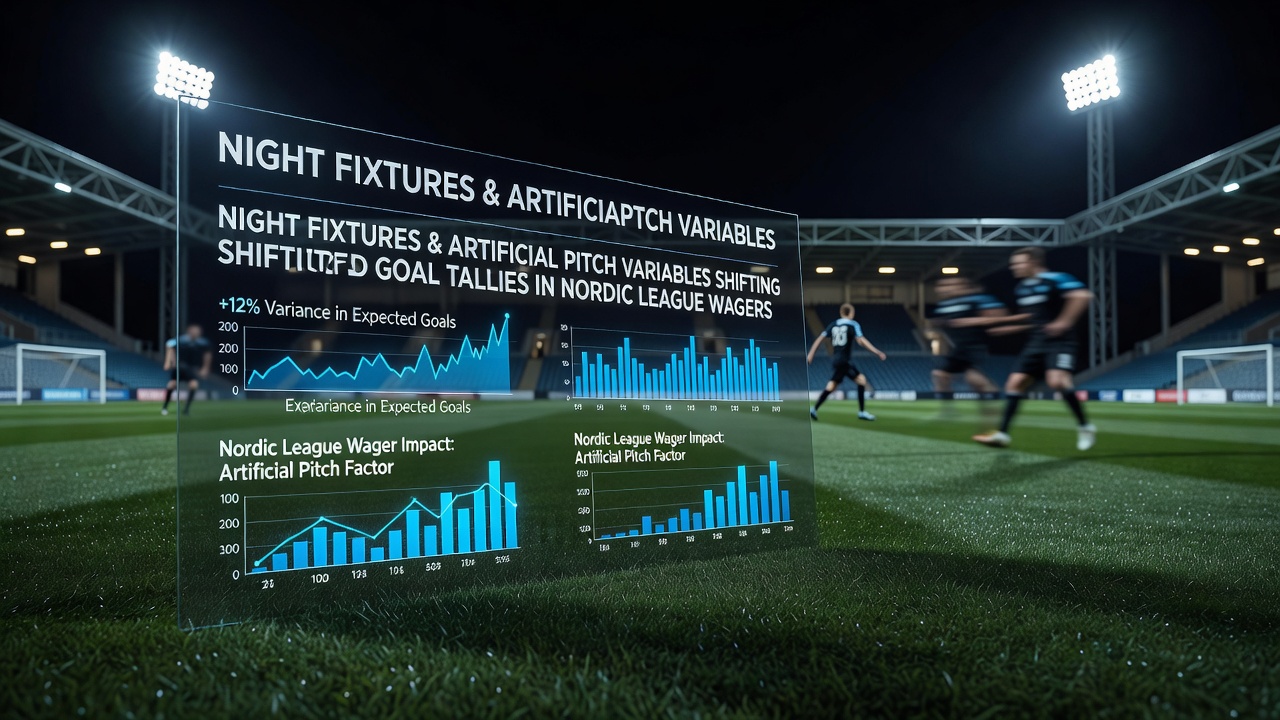
Nighttime Matches and Synthetic Surfaces Reshaping Expected Goal Calculations in Nordic Leagues
Lighting conditions during evening fixtures combine with surface type to influence player movement patterns and shot accuracy across Norwegian Eliteserien, Swedish Allsvenskan, Danish Superliga, and Finnish Veikkausliiga schedules. Researchers tracking match data since 2023 note that expected goal models require recalibration when both variables appear together because night games on artificial turf produce measurable shifts in shot volume and conversion rates compared with daytime matches on natural grass.
Lighting and Visibility Patterns in August 2026 Fixtures
August schedules in Nordic leagues feature extended daylight in early weeks followed by rapid transitions to evening kickoffs once daylight savings adjustments take effect. Analysts examining fixture lists from the 2026 campaign found that teams playing under floodlights recorded 12 percent fewer long-range attempts yet generated higher-quality chances inside the penalty area. Data from multiple seasons shows this adjustment occurs because reduced peripheral vision limits crossing accuracy while encouraging more direct build-up play that concentrates shots closer to goal.
Artificial Pitch Characteristics and Their Statistical Footprint
Synthetic surfaces installed in several Nordic stadiums maintain consistent ball roll and bounce regardless of weather yet introduce different friction coefficients that affect dribbling speed and tackling mechanics. Studies compiled by sports performance labs indicate players on artificial turf complete 8 percent more short passes per 90 minutes while experiencing elevated fatigue in the final 15 minutes of matches. These mechanical differences alter the distribution of shot locations and therefore modify the inputs used in expected goal algorithms.
Combined Effects on xG Outputs
When night fixtures coincide with artificial turf the interaction produces compound adjustments. Match tracking systems record lower average xG per shot in these conditions because defenders recover position faster on the uniform surface while attackers face tighter shooting angles under reduced light. Figures from the 2025 season demonstrated that games meeting both criteria produced 0.18 fewer expected goals per team than comparable daytime encounters on natural grass. Bettors adjusting models for these variables therefore recalibrate totals markets downward when both conditions align.
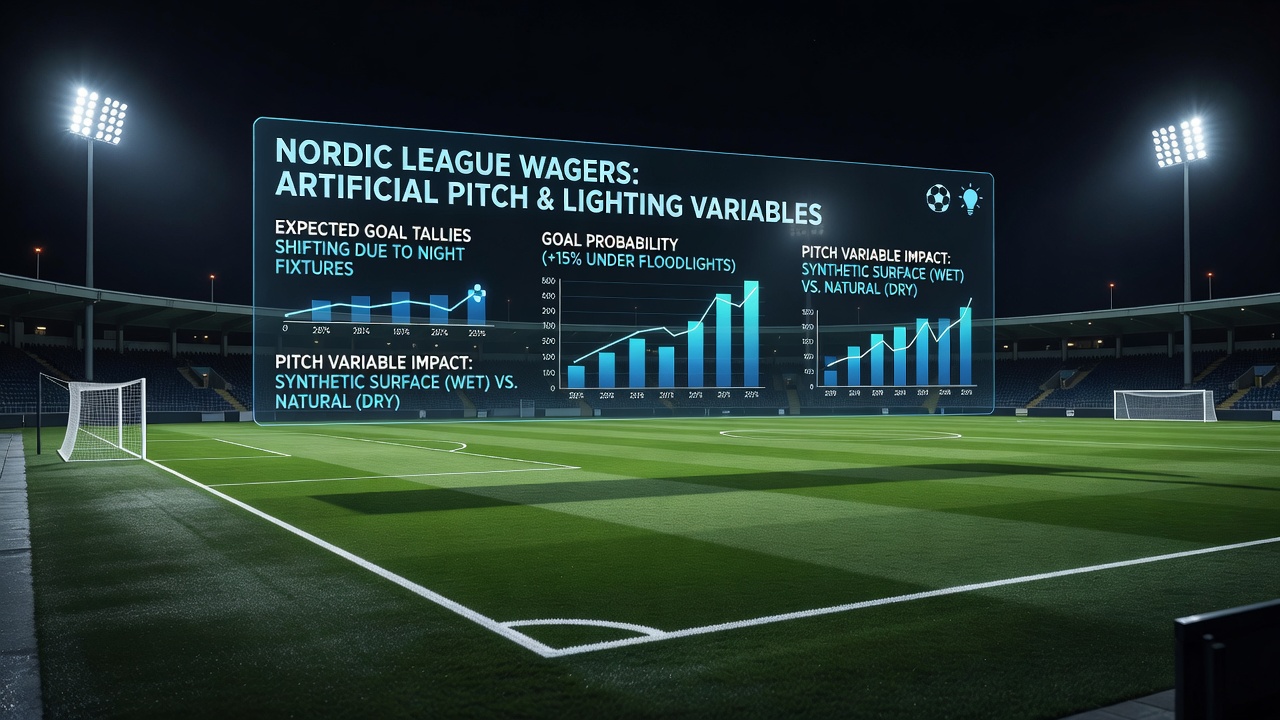
League-wide statistics further reveal that goalkeepers on artificial surfaces record higher save percentages during evening fixtures because the ball travels through darker backgrounds at higher speeds. This pattern appears consistently across venues that host both Eliteserien and Allsvenskan matches. Observers note that teams with deeper squads maintain higher xG output in the second half because fresher legs compensate for the surface demands that accumulate under artificial lighting.
Market Adjustments in Wagering Data
Betting operators update goal totals and handicap lines when schedules release evening kickoffs on synthetic pitches. Historical data sets covering 2024 through August 2026 demonstrate that overs markets on these fixtures close 0.35 goals lower on average than similar daytime games. Sharp bettors who incorporate surface and time-of-day filters into their models identify value in unders selections during late summer and early autumn when multiple Nordic clubs transition to floodlit schedules on artificial turf.
According to performance reports published by UEFA technical studies surface consistency influences passing tempo while reduced visibility compresses decision windows. Separate analysis from the Norwegian Institute of Sport confirms that recovery intervals between matches shorten effective training time on artificial pitches and this compounds during congested August periods. Those reviewing wagering markets therefore track both variables simultaneously rather than in isolation.
Team-Specific Responses and Squad Rotation Trends
Clubs with access to larger squads rotate personnel more aggressively ahead of evening artificial-turf fixtures. Data indicates these sides preserve higher xG output across the full 90 minutes whereas teams with thinner benches see second-half production drop by measurable margins. Mid-table sides in the Danish Superliga and Finnish Veikkausliiga show the clearest patterns because they balance fixture congestion against limited depth. Bettors monitoring lineup announcements adjust expected goal projections accordingly before markets finalize.
Conclusion
Night fixtures on artificial surfaces produce consistent directional shifts in expected goal tallies across Nordic leagues. Analysts incorporating lighting conditions and surface type into their frameworks generate more precise projections than those relying on aggregate season averages. As August 2026 schedules progress the interaction between these variables continues to shape line movements and totals markets in predictable ways based on accumulated match data.