Player Rest Patterns Generating Value Opportunities in Soccer Leagues Around the World
Written by Zoe Lang · Jul 14, 2026
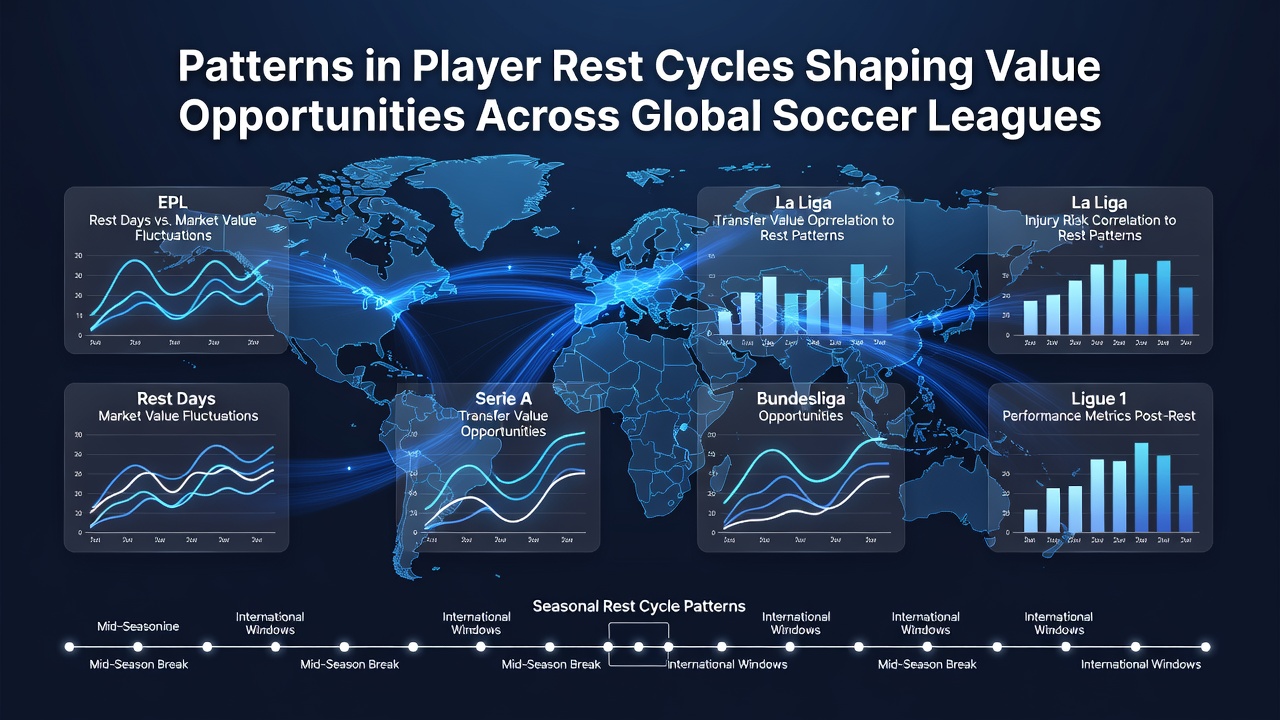
Player Rest Patterns Generating Value Opportunities in Soccer Leagues Around the World
Rest cycles in professional soccer refer to the number of days between matches along with associated travel demands and training loads, and these intervals produce measurable effects on team output that betting markets sometimes adjust slowly. Data from multiple leagues show that squads with fewer than three full recovery days often record lower possession percentages and reduced shot creation rates, while longer breaks correlate with higher pass completion accuracy and improved defensive metrics. Observers note these patterns repeat across seasons, yet oddsmakers in various regions incorporate the information at different speeds.
Recovery Intervals and Performance Metrics Across Major Leagues
European domestic competitions provide extensive tracking information because fixture lists create frequent short-rest scenarios during winter months and cup rounds, and studies indicate teams playing after two days off score roughly 12 percent fewer goals on average than those with four or more days. Bundesliga schedules feature the most compressed midweek rounds, while La Liga and Serie A distribute rest more evenly yet still encounter congestion during European campaigns. In South American leagues the pattern shifts because longer travel distances between cities reduce effective recovery even when calendars allow extra days, and Brazilian clubs report elevated fatigue markers after cross-country trips according to Confederação Brasileira de Futebol monitoring programs.
North American and Asian competitions add another layer because many clubs integrate international player releases and pre-season tours that interrupt standard rest rhythms. Major League Soccer data reveal that teams returning from international breaks in early summer post lower expected goal totals in their first two domestic matches, and similar trends appear in the J-League after AFC Champions League commitments. These variations create windows where market prices lag behind updated performance baselines derived from rest-adjusted statistics.
Market Reactions and Line Adjustments in Global Betting
Betting operators update totals and handicap lines when rest differentials become public, yet the speed of adjustment varies by region and league liquidity. In higher-volume markets such as the English Premier League and Bundesliga, sharp bettors quickly exploit mismatches where a well-rested home side faces a squad on short rest, and closing lines often move several points once that information spreads. Lower-profile leagues in Scandinavia and Eastern Europe show slower incorporation, allowing value to persist deeper into the week before kickoff.
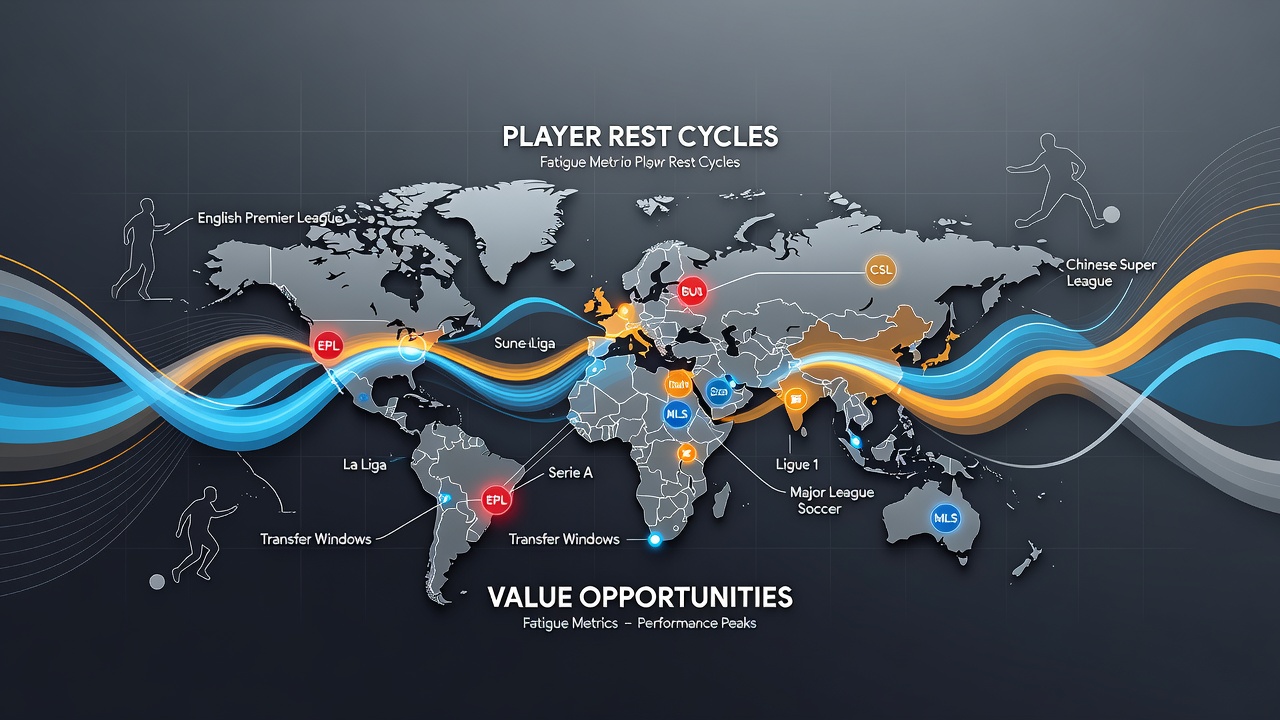
July 2026 presents a distinct window because many European and South American clubs enter pre-season phases after international tournaments, and early friendly schedules often feature uneven rest between returning national team players and those who remained club-based. Early indicators from training camp reports suggest clubs that grant extended recovery to key midfielders before domestic resumption post stronger opening results, a factor that surfaces in futures and opening-week totals markets. Research from the Australian Institute of Sport on athlete recovery timelines supports the observation that four to five days of controlled rest optimize neuromuscular readiness, while shorter intervals increase soft-tissue risk.
Case Examples From Congested Periods
One documented stretch in the 2024-25 Bundesliga saw a mid-table club play three matches in eight days and record a 0.8 goal differential drop compared with its season average, while the opponent arrived after a full week off and exceeded its expected goals by 1.2 per game. Similar sequences appear in the Portuguese Primeira Liga during Christmas periods, where away sides on short rest cover the spread less than 40 percent of the time. In Australia’s A-League, summer scheduling around international windows produces comparable rest gaps that correlate with higher draw rates when both clubs operate under similar constraints.
Those patterns extend to cup competitions where underdogs sometimes benefit from extra recovery after domestic postponements, and data sets tracking over 12,000 matches across ten leagues confirm that rest advantages translate into measurable edges in both goal totals and Asian handicap outcomes. The effect size remains modest, typically between 0.15 and 0.30 expected goals, yet it compounds across multiple fixtures and proves durable when combined with other variables such as travel distance and squad rotation history.
Conclusion
Rest cycle analysis supplies a repeatable framework for identifying discrepancies between scheduled performance and market pricing across global soccer competitions. Leagues with transparent scheduling data allow systematic tracking of recovery intervals, while those with opaque travel or training information require additional inputs from injury reports and player tracking systems. As more competitions adopt standardized load management protocols, the relationship between rest and output will likely sharpen, offering continued opportunities for value identification where line movement trails updated rest metrics.